Motorcycle body parts are the "first line of defense" for safety protection. Max Trading is a Chinese factory specializing in the production of plastic motorcycle body parts. In the process of producing body parts, we consider both protecting riders from external impacts and avoiding damage to core mechanical components. Max Trading balances body design style and riding efficiency, while enhancing maximum speed and fuel economy through aerodynamics while attracting attention.
The Motorcycle body parts mainly include motorcycle motorcycle fuel tank components, motorcycle seat components, and motorcycle plastic accessories.
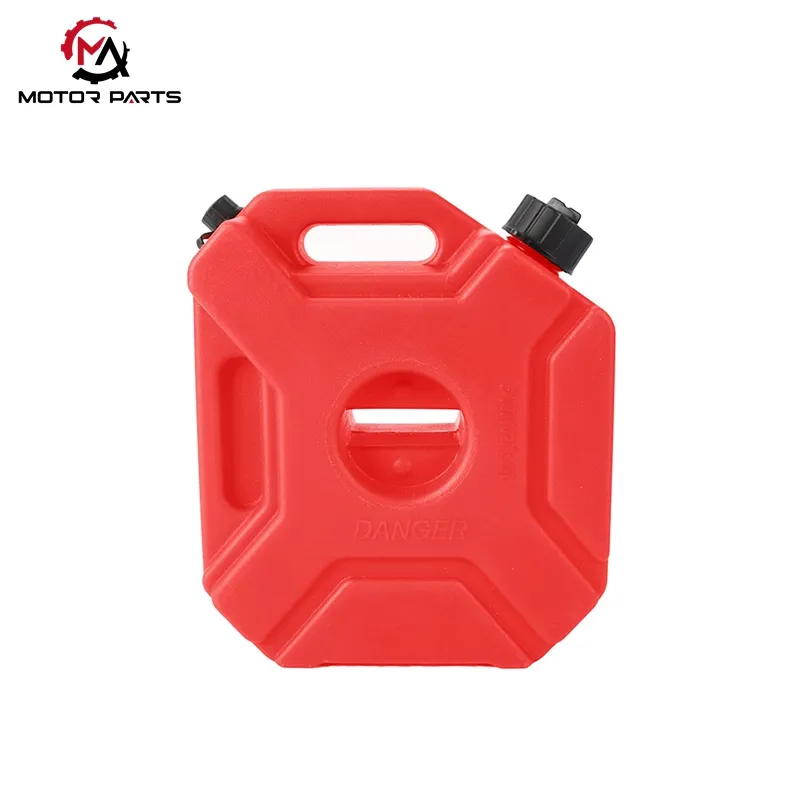
Motorcycle fuel tank components: from "oil storage container" to "riding core adaptation unit"
The motorcycle motorcycle fuel tank is not simply a fuel storage device. Its functions run through four dimensions: fuel supply, body balance, safety protection, and riding adaptability. It is a key component that affects the overall performance of the vehicle.
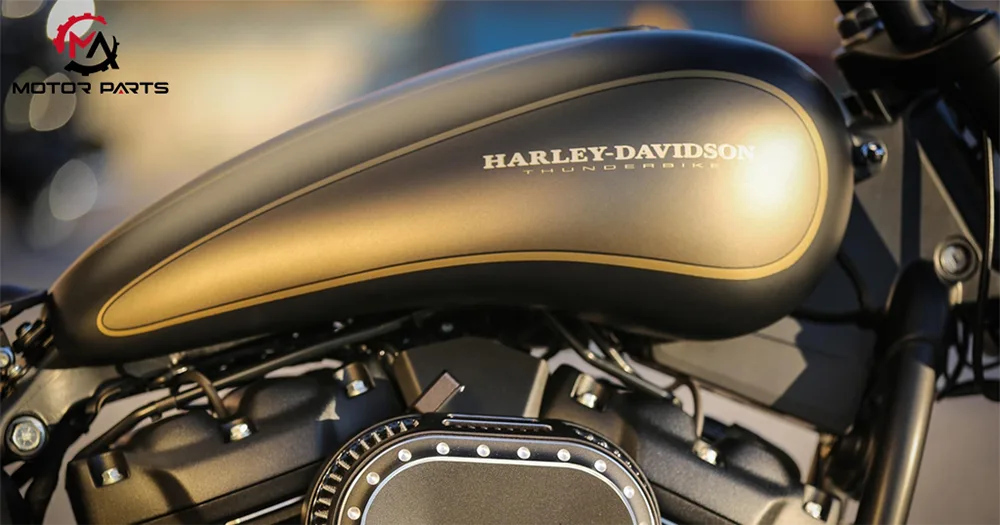
1. Basic function: Fuel storage and stable supply
As the core carrier of the motorcycle power system, the design of the motorcycle fuel tank directly affects the vehicle's endurance. The motorcycle fuel tank capacity of small displacement commuting vehicles is usually between 5-8L, meeting the daily short distance travel needs of 200-300km in cities; The motorcycle fuel tank capacity of large displacement long-distance travel vehicles can reach 15-25L, and a single refueling can achieve a cross city expedition of over 500km. The precision supply system built inside the motorcycle fuel tank is operated in coordination with the fuel pump, filter, and anti-theft refueling port: the fuel pump ensures stable fuel delivery through constant pressure, even in bumpy road conditions, to avoid fuel supply interruption; The built-in filter can efficiently intercept fuel impurities and effectively protect the engine fuel injectors; Some high-end models are equipped with irregular lock cores and anti-theft fuel ports, significantly improving anti-theft and anti damage performance.
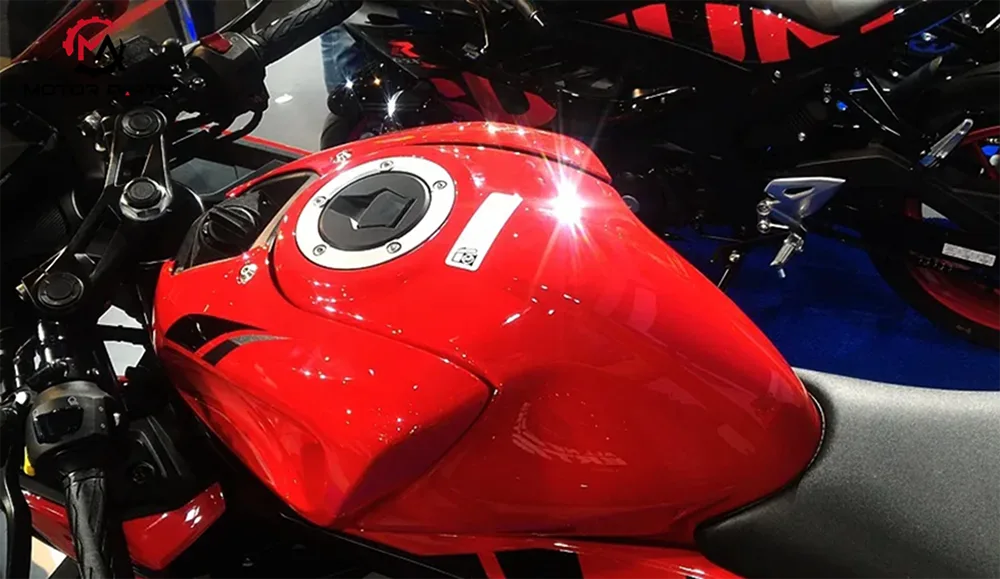
2. Core assistance: vehicle center of gravity adjustment and handling optimization
The shape and layout of the motorcycle fuel tank are key factors affecting the vehicle's handling performance. Sports motorcycles adopt a "front narrow body" design, which accurately positions the center of gravity of the fuel at a distance of 30-40cm from the front wheel axis, effectively reducing inertial deviation during cornering and achieving precise steering response; The cruise model adopts a "mid rear wide body" layout, which moves the center of gravity to 25-35cm from the rear wheel axis, and is equipped with a low center of gravity seat design, greatly improving low-speed driving stability. In addition, the high friction coefficient (≥ 0.8) rubber anti-skid patch covering the surface of the motorcycle fuel tank can enhance the fit between the rider's legs and the body, provide reliable body fixation during rapid acceleration or emergency braking, and comprehensively improve handling safety.
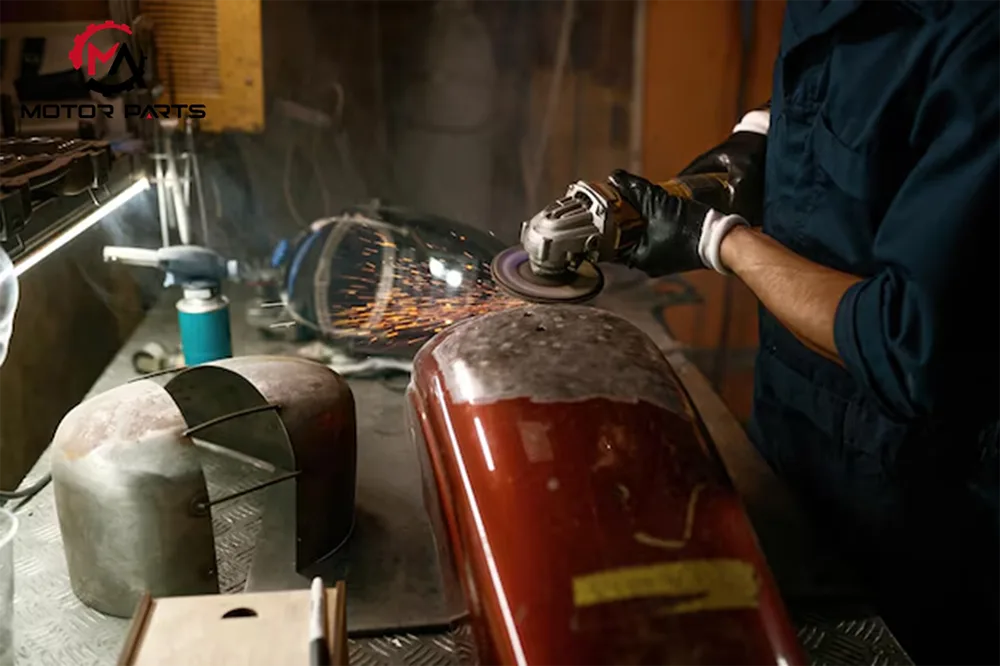
3. Safety Extension: Passive Protection and Structural Support
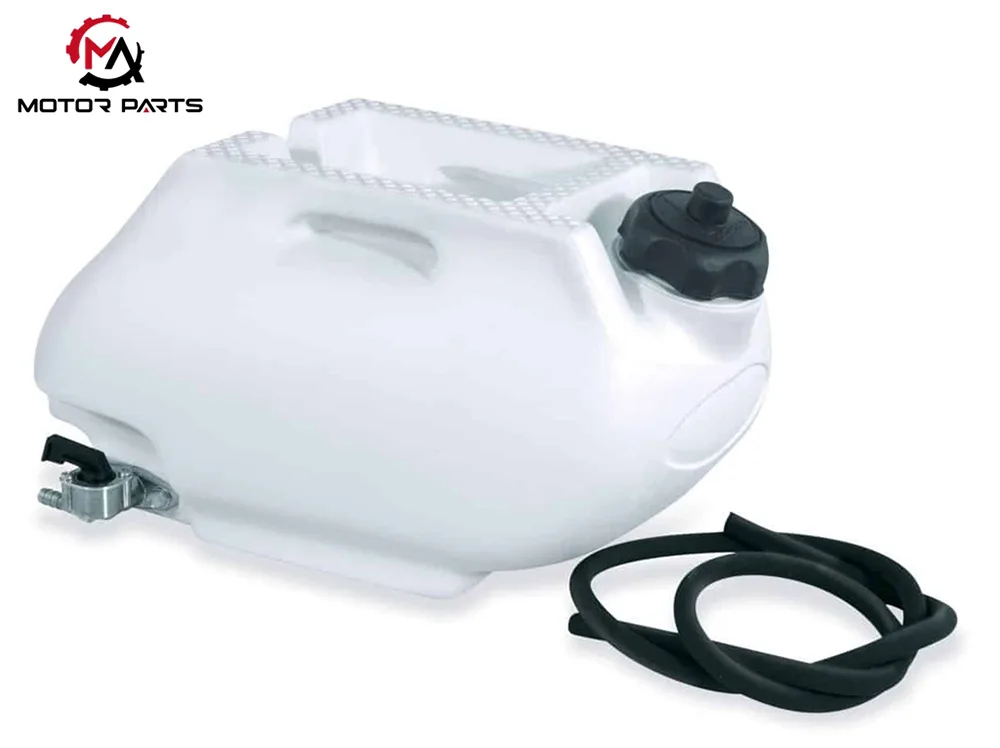
When dealing with unexpected collisions, the structural design of the motorcycle fuel tank demonstrates excellent safety performance. Modern motorcycle fuel tanks commonly use high-strength materials such as double-layer steel plates or HDPE high-density polyethylene, with the outer layer resisting daily scratches and the inner layer eliminating the risk of fuel leakage through sealing strips; Off road models also install metal protective nets on the outside of the motorcycle fuel tank to effectively resist the impact of tree branches and rocks. As the core support component in the middle of the vehicle, the motorcycle fuel tank is firmly connected to the frame, seats, and body cover through reinforcement ribs with a thickness of ≥ 3mm, significantly improving the rigidity of the entire vehicle, reducing component looseness and abnormal noise under bumpy road conditions, and providing solid support for cycling.
|
Material category
|
Feature
|
Applicable models
|
|
Metal material (steel plate/aluminum alloy)
|
High strength, impact resistance, and weldable for repair; Slightly heavier in weight (aluminum alloy is 30% lighter than steel plate)
|
Retro cars (such as Honda CB series), off-road vehicles (such as Yamaha WR series)
|
|
Engineering plastics (HDPE high-density polyethylene)
|
Lightweight, resistant to acid and alkali corrosion, capable of integrated injection molding (complex shapes are easier to achieve); Good low-temperature toughness, not easy to rust
|
Modern streetcars (such as Kawasaki Z series), race cars (such as Suzuki GSX series)
|
Motorcycle seat components: balancing "ergonomic support" and "scene based comfort adaptation"
The seat is the most direct component that comes into contact with the rider's body, and its functional design needs to balance support, comfort, and scene adaptability. The seat functions of different car models vary significantly.
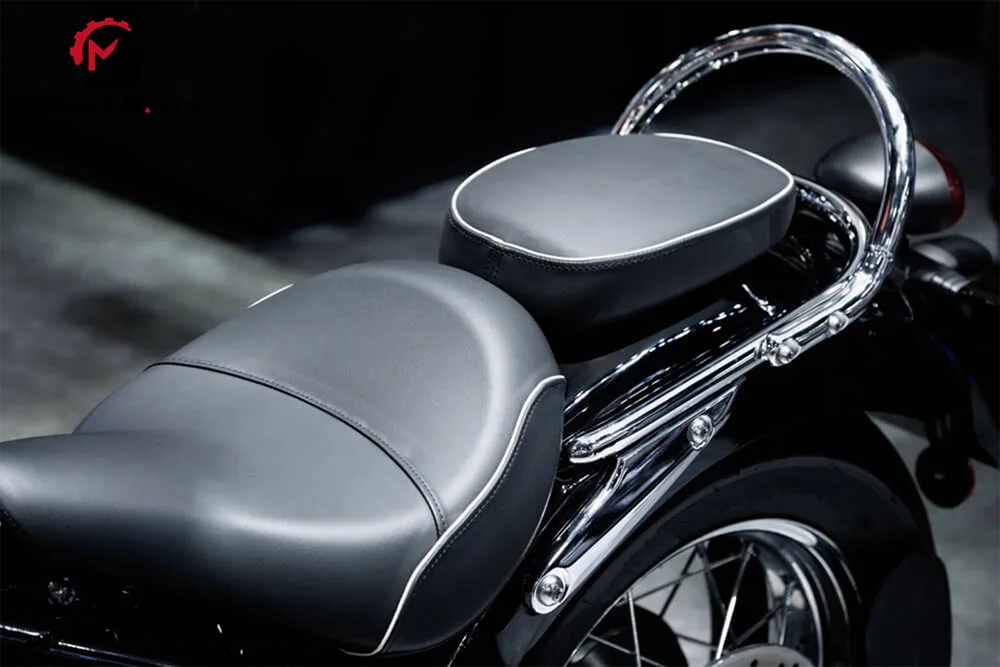
The seat is designed with exquisite structure to achieve even distribution of the rider's weight, effectively avoiding fatigue problems caused by excessive local pressure. The ordinary commuter car seats adopt the "flat sponge filling" process, with a thickness controlled between 8-12cm and a sponge density of 30-35kg/m ³, which can evenly support the weight of the buttocks, especially suitable for short distance cycling scenes within 30 minutes. The seats of long-distance coaches use a "partitioned support design" to increase the sponge density to 40-45kg/m ³ in the hip area, enhancing support performance; An additional 2-3cm thick soft filling material is added to the waist area to effectively relieve pressure on the waist; At the same time, with a backrest tilt angle of 15-20 °, it provides strong support for the spine and significantly reduces fatigue caused by continuous cycling for more than 2 hours. In addition, the metal frame at the bottom of the seat is mostly made of cold-rolled steel material, with a load-bearing capacity of ≥ 150kg, and is firmly connected to the frame to ensure that the seat remains stable in bumpy road conditions or emergency braking, avoiding the rider from losing balance due to shaking.
2. Scenario based functionality: Adapt to diverse cycling needs
Street car seats: single/double integrated, narrow front end (convenient for leg clamping of the car body), wide rear end (comfortable for passengers to ride), medium hardness of filling material;
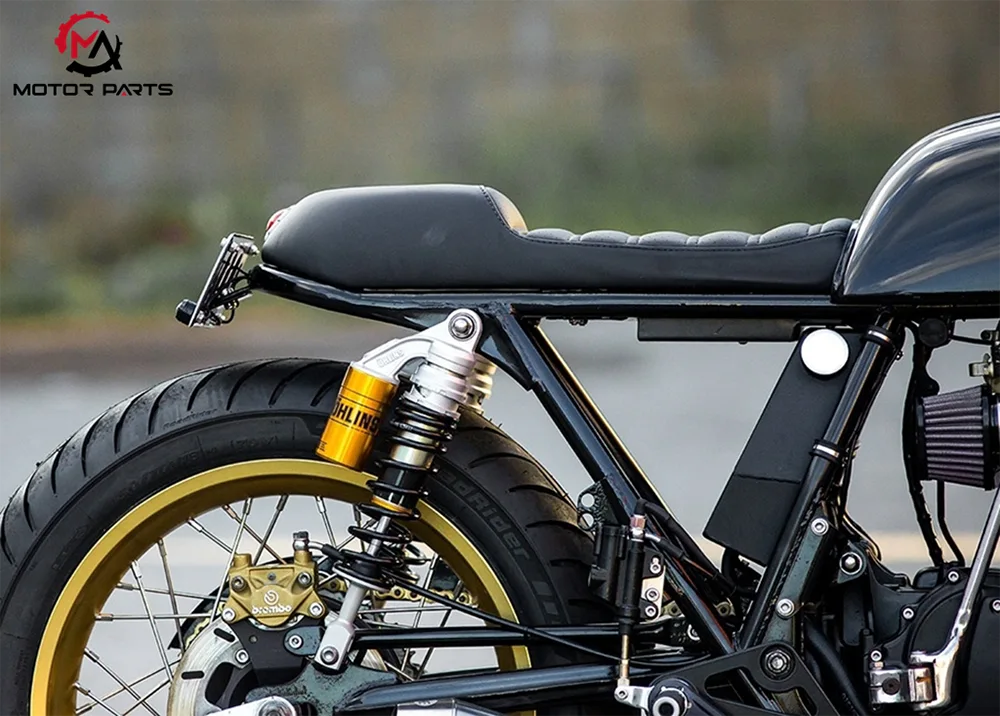
Simulated racing seats: The single version features a "hump style" design (reducing wind resistance and no passenger seats), while the double version has a short and narrow rear end (only for emergency use) and a hard filling (prioritizing support and suitable for short distance intense driving);
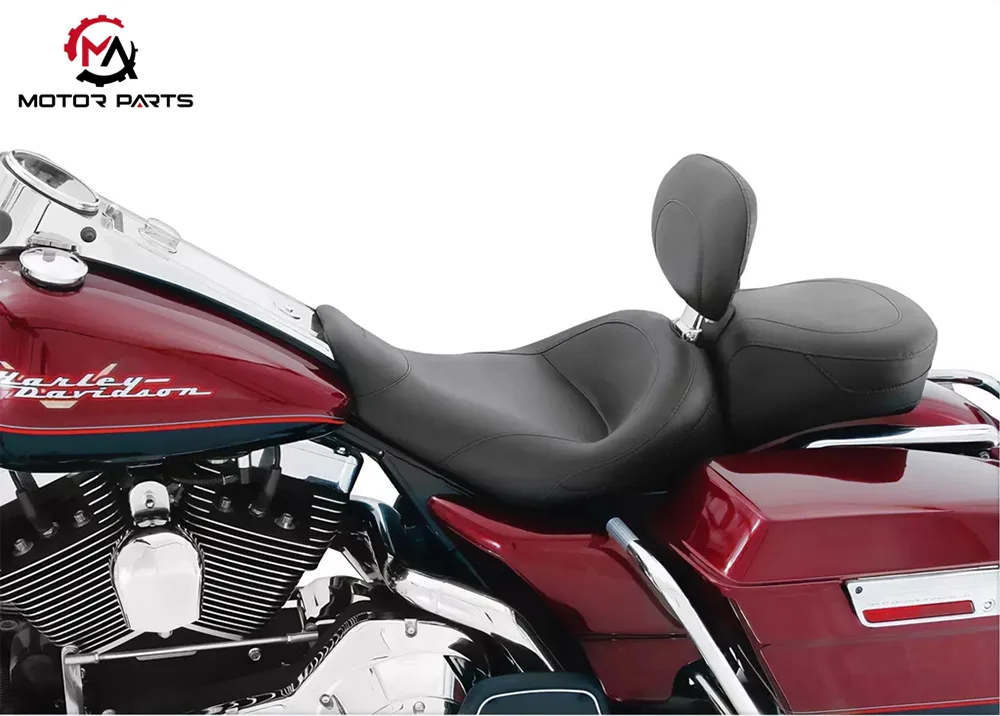
Cruise car seats: spacious and thick, with lumbar support (some models can adjust the height of the lumbar support), passenger seats with armrests or backrests, soft filling (suitable for long-distance cycling, such as Harley Davidson Fat Boy);
Scooter seat: flat and spacious, with front to back connectivity (convenient for drivers to adjust their sitting posture), and a large storage space reserved below (can hold a full helmet, such as the Honda PCX160).
3. Detail optimization: Improve user experience and durability
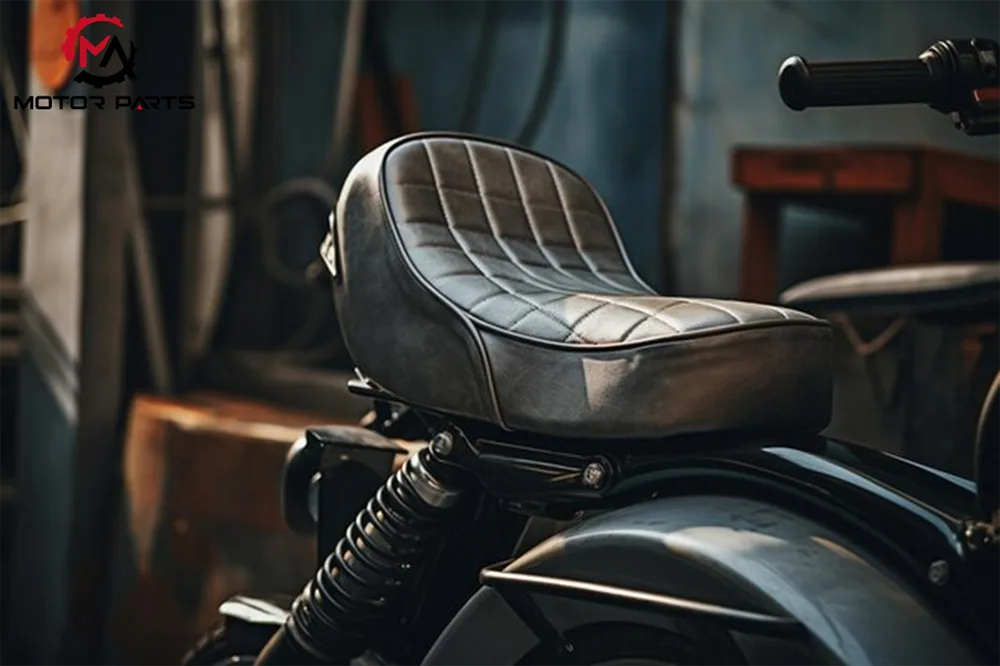
The detailed design of the seat has a significant impact on the user experience. Some car models use a "quick release structure" for the seats, which can be quickly disassembled with the help of buckles or bolts, greatly facilitating the maintenance of components such as batteries and wiring under the seats; The surface of the seat is distributed with breathable holes with a diameter of 3-5mm and a spacing of 10-15mm, which can enhance air circulation and effectively solve the problem of stuffy and sweaty buttocks during summer cycling; The edges of the seats are carefully wrapped with stitching or rubber sealing technology, which can effectively prevent fabric wear and extend the service life of the seats - ordinary seats can be used for 3-5 years, while seats made of high-quality fabrics can be used for 5-8 years.
Motorcycle plastic accessories: integrating "aerodynamic optimization", "component protection" and "appearance identification"
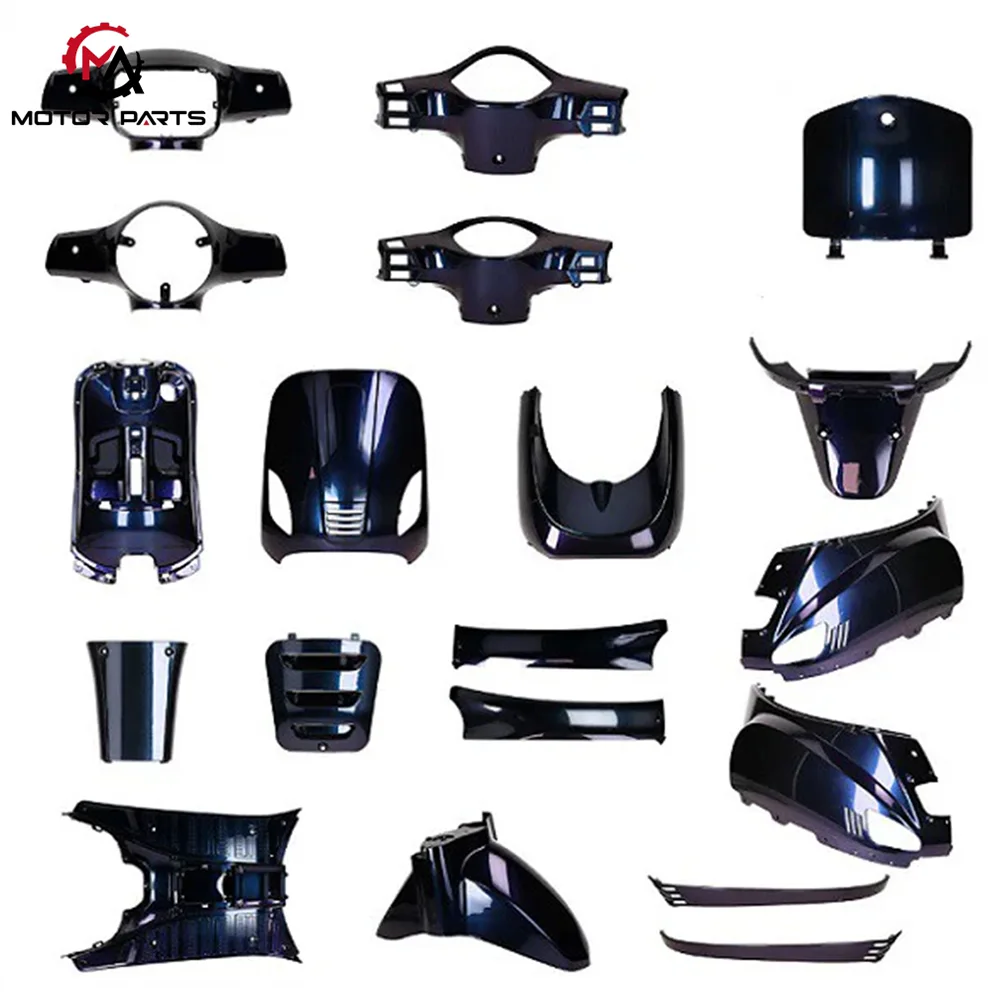
Plastic accessories are a combination of motorcycle appearance and function, covering components such as deflectors, side covers, mudguards, etc., with functions covering multiple dimensions like aerodynamics, component protection, and appearance recognition.
1. Core function: Aerodynamic optimization and wind resistance reduction
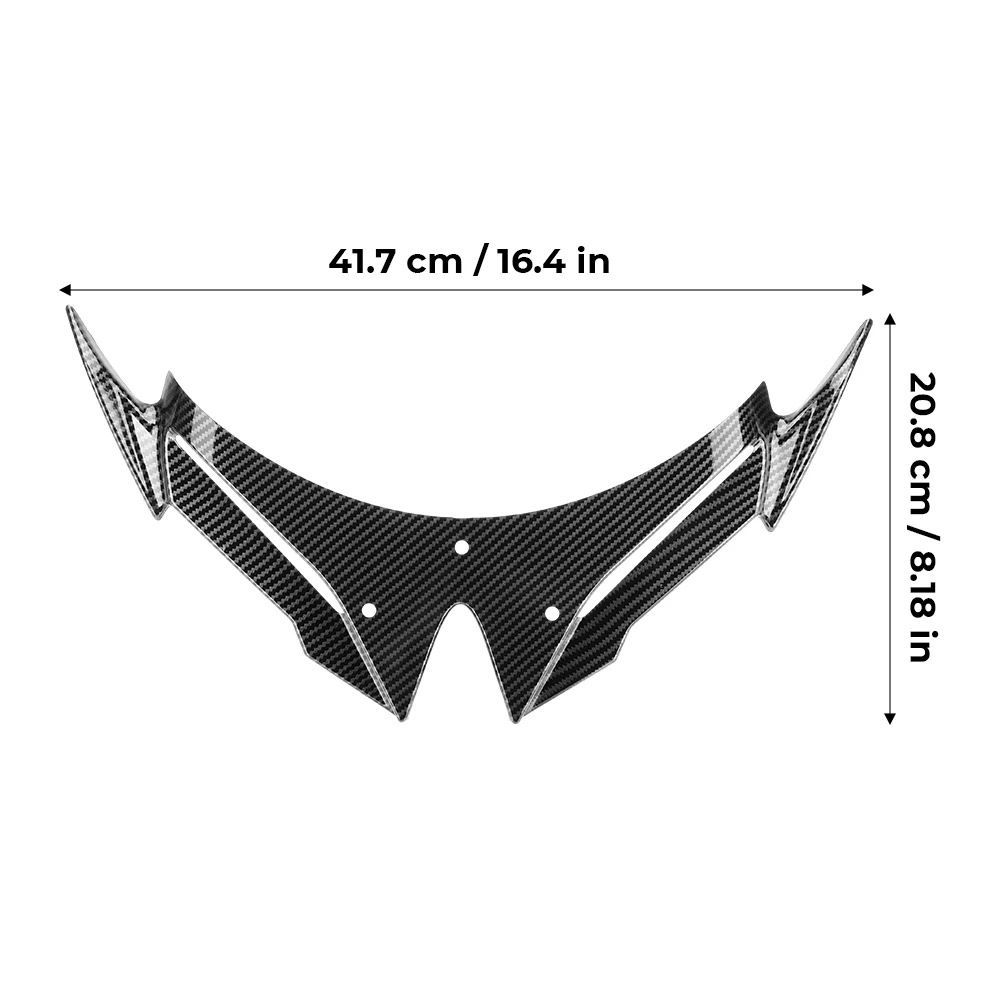
In the body cover accessory system, the aerodynamic design of the diffuser (usually known as the "fairing") is crucial, directly affecting the high-speed performance and fuel economy of motorcycles. The fully wrapped aerodynamic hood equipped on sports motorcycles uses a carefully designed streamlined curved structure and constantly refines the airflow direction by rigorous wind tunnel testing. The curved contour at the front end can cleverly guide the oncoming airflow upwards and to both sides, cutting down the drag coefficient by 15% -20% under high-speed driving conditions; The side guide groove is responsible for guiding the airflow through the engine area, effectively removing heat and reducing the engine operating temperature by 5-8 ℃; Some high displacement models are also equipped with "fixed wing" at the rear, which dramatically enhances the stability of the vehicle during high-speed driving by generating additional downforce, completely eliminating the hidden danger of vehicle shaking caused by airflow disturbance.
2. Basic protection: isolate external environment and protect components
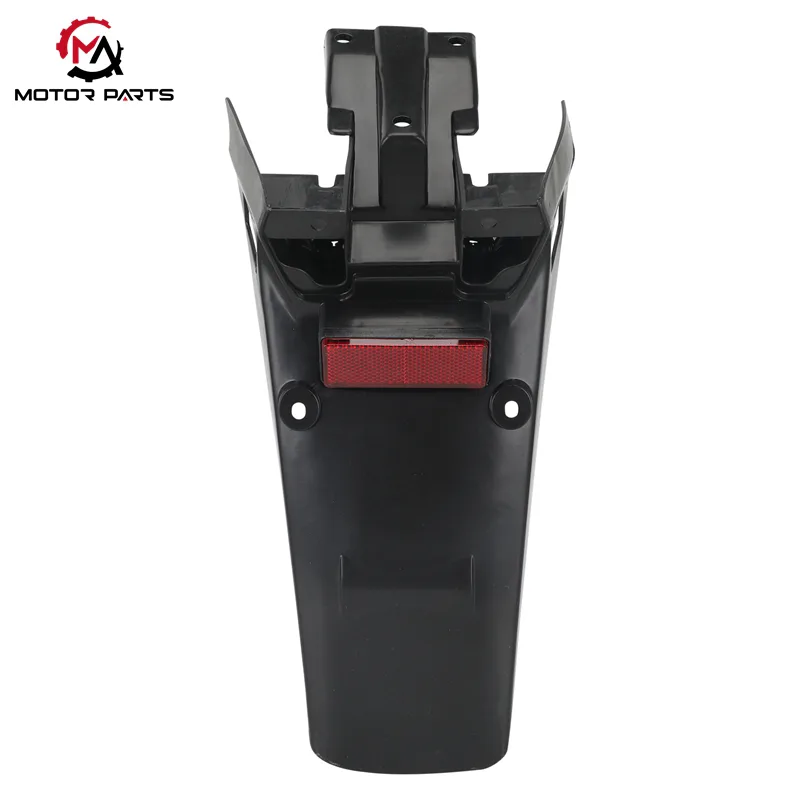
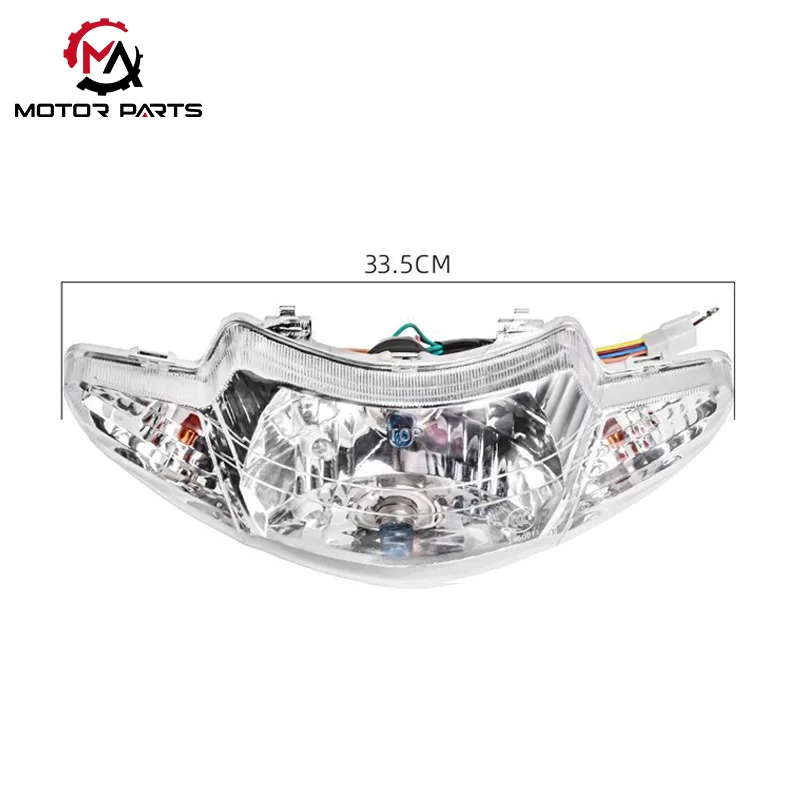
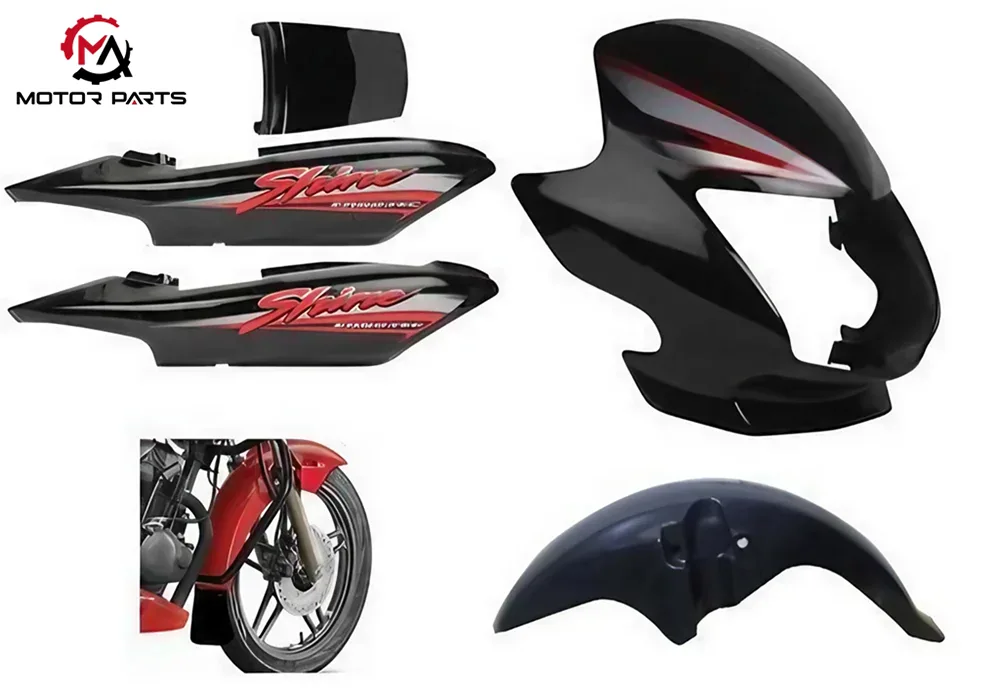
The motorcycle plastic accessories are like sturdy armor, fully protecting the internal main components of the motorcycle from external harsh environments. The plastic side covers on both sides tightly cover key components such as the frame, battery, wiring, and air filter, providing excellent dust and water resistance. The side covers of ordinary car models can achieve IP54 dust and IPX4 water resistance levels, effectively avoiding problems such as short circuits and component corrosion; The front and rear fenders focus on intercepting the mud and water stirred up by the high-speed rotation of the wheels. The front fenders can prevent mud and water from splashing onto the engine and the rider's legs, while the rear fenders (some models use an extended design) are more effective in preventing mud and water from splashing onto rear passengers or vehicles. Besides, to further enhance protection capabilities, some models have installed anti-collision rubber strips on vulnerable areas such as the edges of the diffuser and the corners of the side covers, minimizing the damage caused by minor scratches to the components.
|
Cover name
|
Installation location
|
Core function
|
|
Front fairing (imitation race)
|
Front of the car, covering the headlights, dashboard, and front shock absorbers
|
Guide airflow and reduce wind resistance; Protect front electrical components (such as headlights, turn signals)
|
|
Side cover (one on each side)
|
In the middle of the car, under themotorcycle fuel tank
|
Covering the engine, air filter, and battery; Partial with heat dissipation holes (auxiliary engine heat dissipation)
|
|
Tail cover
|
Behind the seat
|
Imitation racing car type is used to optimize the tail airflow; Some models integrate taillights and turn signals
|
|
Fenders (front/rear)
|
Above the front wheels (front mudguard), above the rear wheels (rear mudguard)
|
Block rainwater and sediment splashes (protect the vehicle body and driver's clothing)
|
3. Appearance and Identification: Shaping the Style and Brand Recognition of the Vehicle Model
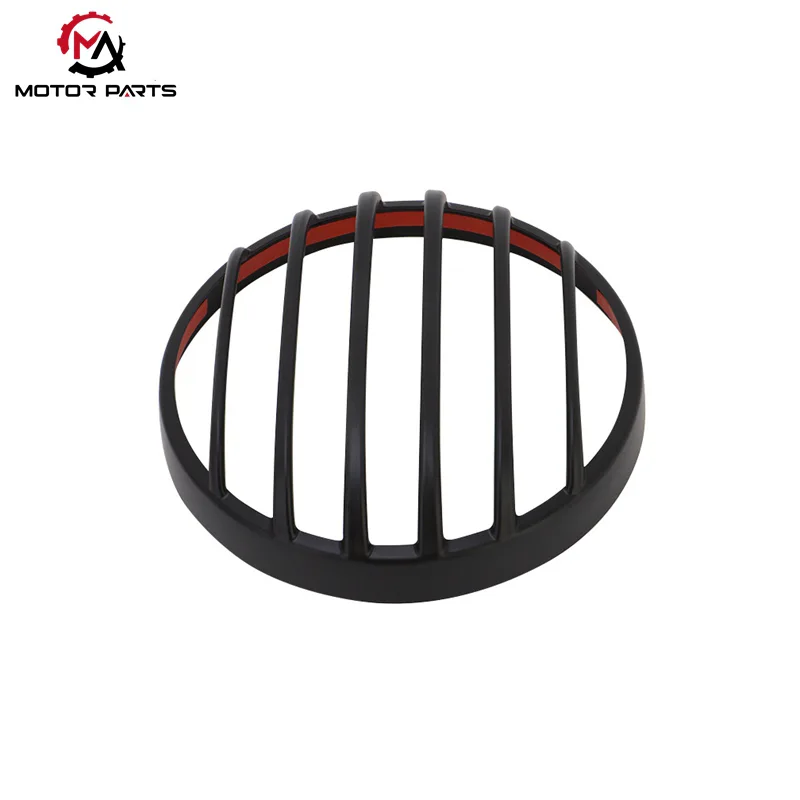
Motorcycle plastic accessories are undoubtedly the soul carrier of motorcycle appearance style. Different models accurately interpret their own positioning through unique body cover designs: retro motorcycles often use simple metal shell designs, paired with retro style matte paint surfaces, such as circular headlight covers and metal side covers, perfectly replicating classic textures; Streetcars adhere to the concept of "sporty exposed design", retaining only necessary flow guiding components and boldly showcasing the mechanical beauty of the frame and engine; The scooter adopts a fully wrapped rounded shape, cleverly hiding the chassis components, balancing the convenience of daily use with fashion and aesthetics.
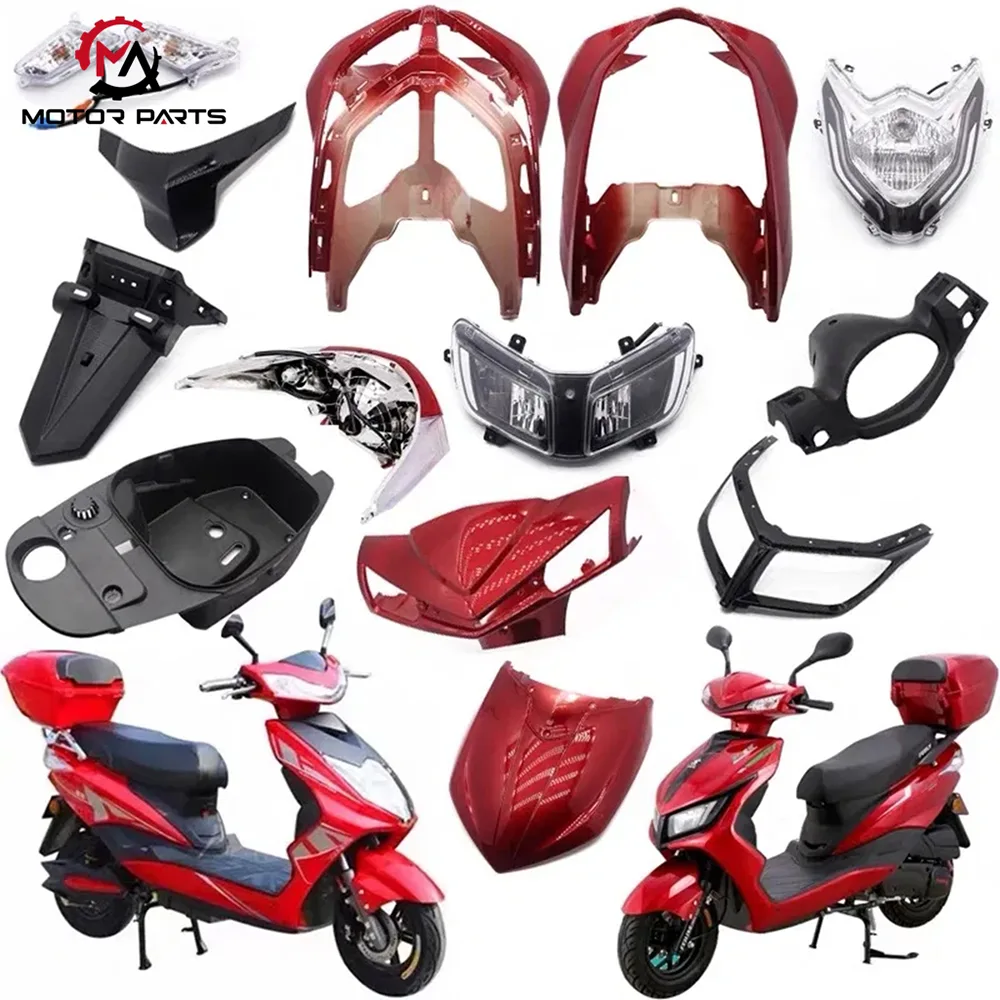
At the same time, the prominent brand logo on the surface of the car body cover (such as Honda's "H" logo, Yamaha's "YAMAHA" lettering), personalized vehicle stickers, and color schemes that match the positioning of the vehicle (classic red and black contrasting colors for sports cars, elegant coffee brown color schemes for retro models) are not only a visual display of the brand image, but also an important visual symbol for consumers to quickly identify the positioning of the vehicle and strengthen brand memory.